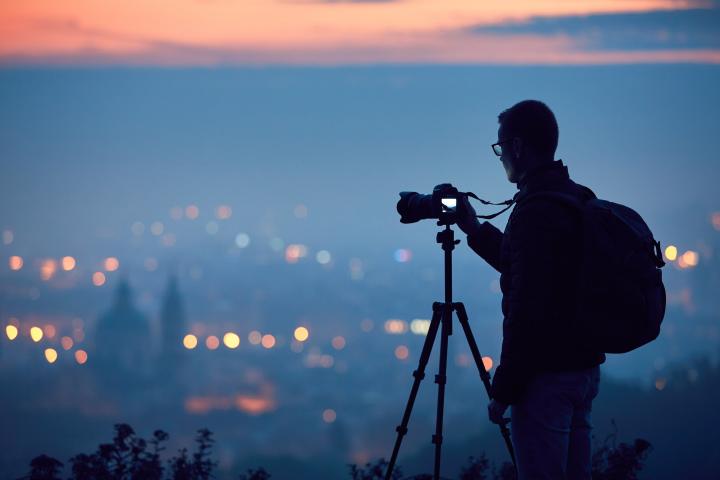
The Art of Capturing Moments: Capturing Beauty in the Sands
The Art of Desert Photography: Capturing Beauty in the Sands
Desert photography is more than just capturing vast landscapes — it’s about telling stories through light, textures, and endless horizons. From golden sand dunes to dramatic skies, deserts offer a unique and powerful canvas for photographers. Whether you're using a DSLR, mirrorless camera, or even your smartphone, understanding the basics can transform your desert shots.
Mastering Natural Light
In desert photography, light plays the most important role. The harsh midday sun can create strong shadows and washed-out images, so timing is everything.
The best time to shoot is during the golden hours — just after sunrise and before sunset. During this time, the sunlight is soft, warm, and adds a magical glow to the sand dunes, enhancing textures and depth.
Composition: Playing with Patterns
Deserts are full of natural patterns — ripples in the sand, curves of dunes, and long shadows. Use these elements to create visually appealing compositions.
The Rule of Thirds works perfectly in desert shots. Place your subject (like a person, camel, or tree) off-center to make the image more dynamic and engaging.
Focus & Depth
Clarity is key in desert photography. Make sure your subject is sharp and stands out against the vast background.
You can also play with depth by capturing footprints in the sand or using leading lines that guide the viewer’s eye into the frame.
Experiment with Angles
- Use low angles to make dunes look massive
- Capture wide shots for vast landscapes
- Take close-ups for sand textures
Experimentation helps you discover unique perspectives that make your photos stand out.
Editing for Impact
Editing enhances the natural beauty of desert images. Slightly increase contrast to highlight shadows, add warm tones for a golden effect, and sharpen details to enhance textures.
Keep it natural — avoid over-editing to maintain realism.
Final Thoughts
Desert photography is all about patience, timing, and creativity. The simplicity of the desert teaches you to focus on details and composition.
Start exploring, keep experimenting, and let the beauty of the sands inspire your photography journey.

Comments